Our programmes

Five ways we support children, families and elderly neighbours.

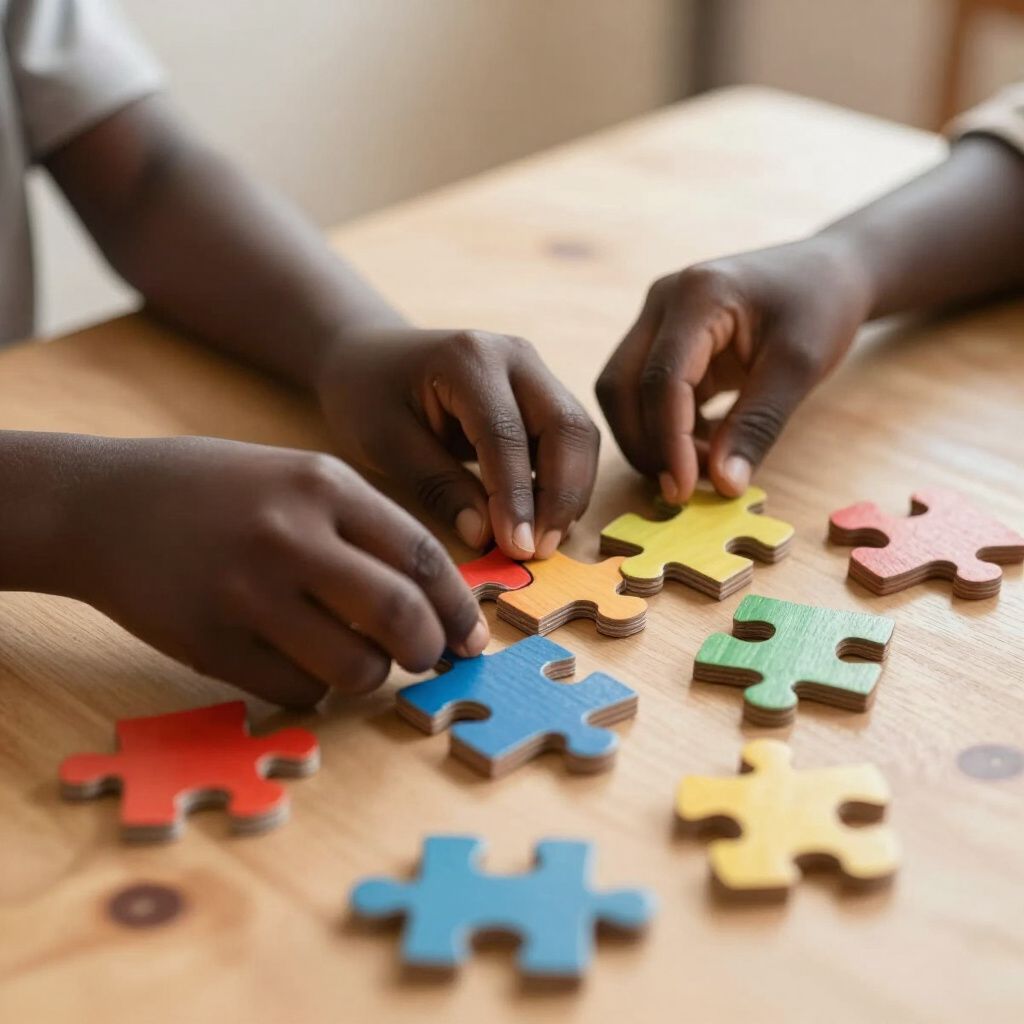
Children's hands fitting colourful puzzle pieces together

Autism awareness

The challenge
Autism is widely misunderstood. Children may be labelled as stubborn or cursed, families may hide them, and early signs are missed.
What we do
Awareness campaigns in villages, schools, churches and markets; talks on the early signs of autism and where to get help; materials in English and Kiswahili; activities on World Autism Awareness Day (2 April).
Who it reaches
Parents, teachers, health workers, faith and community leaders, and the public.
Status
Members resolved to run awareness campaigns on 14 December 2024.

A mother and child looking at a picture book together

Family and caregiver support

The challenge
Raising a child with autism can be exhausting and isolating, especially without information or support.
What we do
Training on understanding autism, communication, routines and behaviour; counselling and a listening ear; parent support groups; linking families to health, education and social services.
Who it reaches
Parents, guardians, siblings and other caregivers.
Status
ongoing
A young child sorting coloured blocks at a table

Education and therapy support

The challenge
Many children with autism cannot reach suitable schooling or therapy such as speech, occupational or behavioural therapy.
What we do
Working with schools on inclusive education; linking families to assessment and therapy through partner hospitals and therapists; raising funds for learning materials and therapy costs.
Who it reaches
Children with autism and other developmental disabilities.
Status
Planned as partnerships and resources grow.

Inclusion and rights

The challenge
Children with disabilities are often excluded from schools, services and community life.
What we do
Speaking up for the rights of persons with disabilities; engaging government, schools and hospitals on inclusion; helping families access support such as disability registration.
Who it reaches
Families, schools, local leaders and decision-makers.

Food support for elderly neighbours

The challenge
Some elderly members of our community lack enough food and support.
What we do
Food support for vulnerable elderly persons, identified with members and local leaders, plus regular wellbeing check-ins.
Who it reaches
Vulnerable elderly persons around Mosoriot.
Status
Members resolved to begin food support every 1 month to 10 less fortunate people in the community

How to get support or refer someone

  1. Contact us by WhatsApp, phone or email.
  2. Tell us the person's location, age and what kind of help is needed.
  3. With the family's consent, we follow up and explain what support is available.